How to Elevate Business Banking to Meet and Surpass Digital Demands?


In today’s fast-paced, digitally-driven world, businesses have come to expect seamless, efficient, and innovative banking experiences. As the pace of technology adoption accelerates across industries, business customers are looking for much more than basic financial services. To remain competitive and relevant, banks have no other option left but to provide personalized solutions, user-friendly interfaces, and instant access to financial insights. Today’s blog discusses how banks can rise to the challenge of meeting — and exceeding — the digital expectations of their business customers, using digital innovations and customer-centricity.
The Changing Landscape of Business Banking
The banking industry's digital transformation is no longer optional – it is a necessity. According to a recent study by Accenture, 76% of small and medium-sized businesses (SMBs) consider digital capabilities to be a key factor when choosing a banking partner. While still important, traditional banking services are no longer sufficient to meet the needs of modern businesses. Business customers are looking for:
- Streamlined digital platforms for managing accounts.
- Real-time access to transaction data and analytics.
- Personalized financial solutions tailored to their unique business challenges.
- Seamless integrations with third-party tools like accounting software.
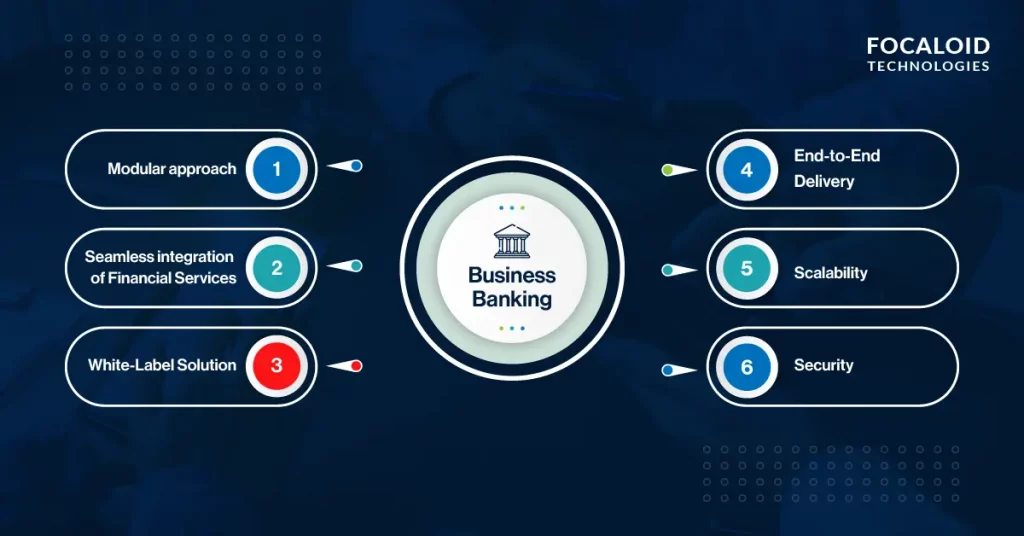
Key Challenges Banks Face in Meeting Expectations
While the demand for digital services is clear, many banks struggle to keep up with the rapid pace of technological innovation. Common challenges include:
- Legacy Systems: Many banks still rely on outdated infrastructure that hampers innovation and slows down service delivery.
- Data Silos: Fragmented systems make it difficult to provide a unified view of financial data to customers.
- Security Concerns: Cybersecurity remains a top priority as digital services expand.
- Regulatory Compliance: Navigating the complex web of regulations can delay the rollout of new digital products.
- Personalization at Scale: Delivering tailored experiences to thousands of business customers requires advanced data analytics and AI capabilities.
How Banks Can Exceed Business Customers' Expectations
Despite these challenges, banks have an incredible opportunity to deliver outstanding digital experiences. Here’s how:
- Invest in Advanced Digital Platforms
Modern business customers expect digital platforms that are intuitive, secure, and feature-rich. Banks should prioritize building or upgrading their platforms to provide functionalities like:
- Real-Time Analytics: Offering insights into cash flow, spending patterns, and forecasts.
- 24/7 Accessibility: Ensuring that customers can manage their finances anytime, anywhere.
- User-Friendly Interfaces: Reducing complexity and enhancing the customer experience.
Example: Banks like JPMorgan Chase have introduced digital dashboards for business customers, allowing them to access real-time financial data and insights in a single place.
- Leverage AI and Machine Learning
Artificial intelligence (AI) is transforming the banking experience by enabling hyper-personalization and predictive analytics. Through AI, banks can:
- Personalize Product Recommendations: Suggest tailored financial products based on a business’s transaction history and industry.
- Automate Customer Support: Deploy AI-powered chatbots to address common queries and reduce wait times.
- Predict Financial Needs: Use machine learning to anticipate cash flow shortages or funding requirements before they arise.
Stat: According to McKinsey, banks using AI have seen a 15-20% increase in customer satisfaction and a 10-15% reduction in operational costs.
- Enhance API Capabilities
Application Programming Interfaces (APIs) are critical for enabling seamless integrations between banking systems and third-party tools like accounting software, payroll systems, and CRM platforms. By adopting open banking standards, banks can:
- Streamline Processes: Allow businesses to automate routine tasks like invoicing and payments.
- Expand Service Offerings: Partner with fintechs to deliver value-added services.
- Improve Data Sharing: Provide a unified view of financial data across platforms.
- Prioritize Cybersecurity
With the rise of digital banking, cybersecurity has become a critical concern. To build trust and confidence among business customers, banks must:
- Invest in Robust Security Measures: Implement multi-factor authentication, encryption, and fraud detection systems.
- Educate Customers: Provide resources and training on recognizing phishing attempts and securing their accounts.
- Ensure Regulatory Compliance: Stay up to date with regulations like GDPR, CCPA, and PCI DSS to protect customer data.
Stat: The global cost of cybercrime is expected to reach $10.5 trillion annually by 2025 (Cybersecurity Ventures), making proactive measures essential.
- Offer Value-Added Services
Beyond traditional banking, business customers are looking for solutions that help them grow and manage their operations effectively. Banks can stand out by offering:
- Financial Advisory Services: Providing expert insights on investments, loans, and financial planning.
- Integrated Solutions: Bundling banking services with tools for accounting, payroll, and tax management.
- Customizable Credit Options: Tailoring loans and credit lines to meet the specific needs of different industries.
- Focus on Customer Feedback
Understanding the evolving needs of business customers is crucial. Banks should actively seek feedback through:
- Surveys and Polls: Collecting insights on customer preferences and pain points.
- Focus Groups: Engaging directly with business owners to test new features and gather suggestions.
- Customer Analytics: Using data to identify trends and refine offerings.
Stat: 89% of companies that excel at customer experience perform better financially than their competitors (Forrester).
The Future of Business Banking
To remain competitive, banks must continue to innovate and adapt to the changing needs of their business customers. The future of business banking will likely include:
- Blockchain Technology: Enabling faster, more secure transactions.
- Embedded Finance: Integrating banking services directly into business workflows.
- Sustainability Initiatives: Offering green financing options to support eco-conscious businesses.
By embracing these trends and focusing on delivering exceptional digital experiences, banks can build long-lasting relationships with their business customers.
Conclusion
Surpassing digital expectations for business customers is not only about aligning with tech advancements–it’s about realizing their distinct challenges and offering solutions for growth and efficiency. Banks can choose to be technology leaders—through investments in modern digital platforms, AI-enabled services, APIs, cybersecurity, value-added services, and customer investment feedback—positioning themselves as key partners in their customers’ success. The time to act is now. Such banks will become the industry leaders in terms of adopting digital transformation agenda by exceeding the modern businesses digital expectations because of their innovative strategy and customer-driven vision.